

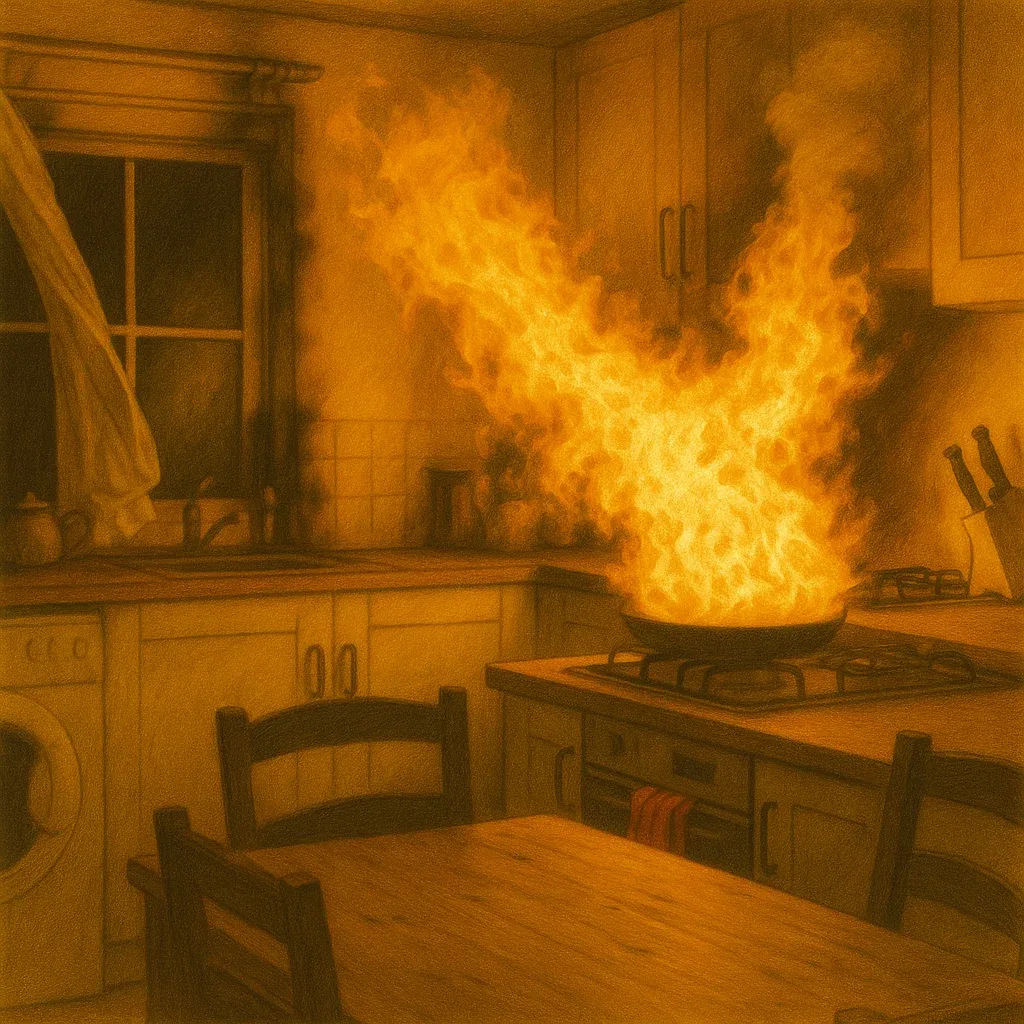
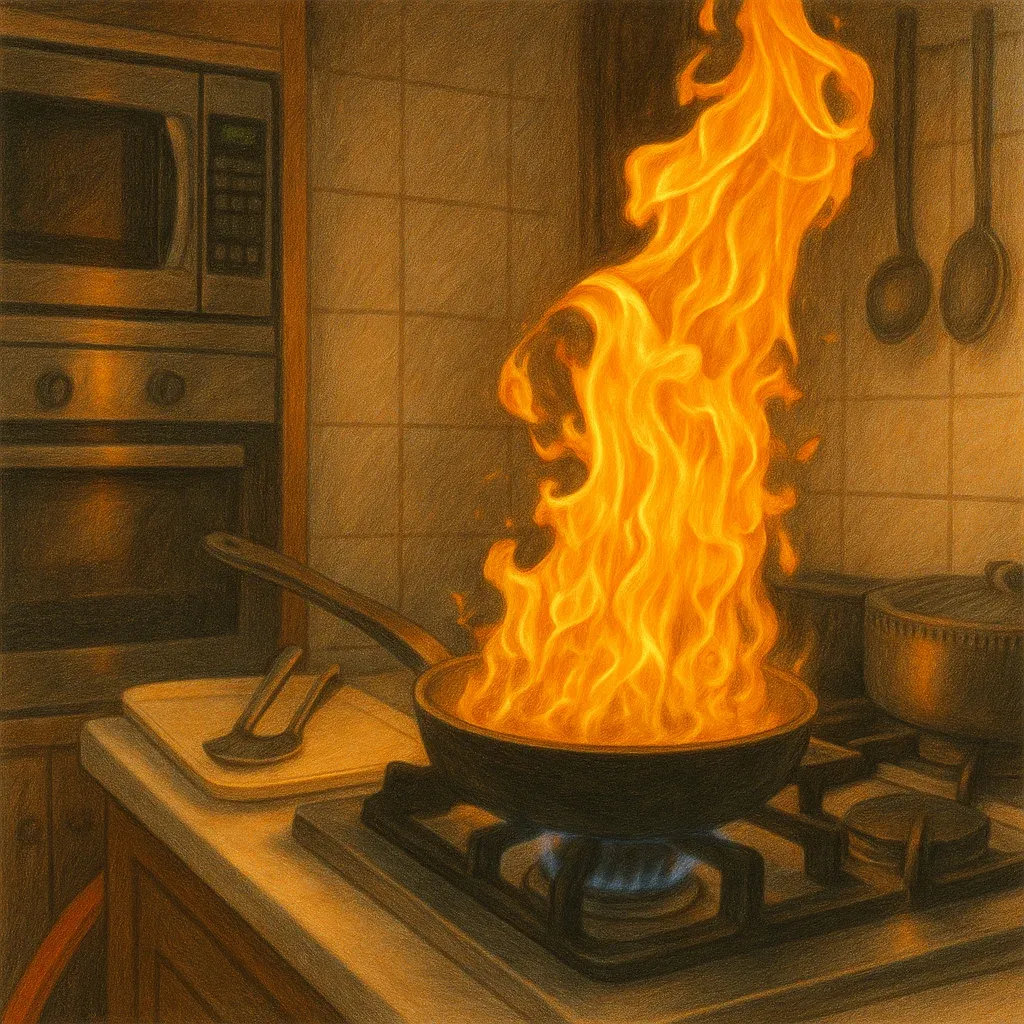
You're making dinner. The oil in your pan suddenly catches fire. Flames leap up. Your heart races. What's your first move?
If you're like most folks, you reach for water. That's exactly when things go from bad to catastrophic.
Every year, thousands of cooking fires erupt in U.S. kitchens. That split-second decision to throw water on a grease fire is one of the most dangerous mistakes I've seen in my twenty years as a firefighter. For everything you need to know about fire blankets including how they help with grease fires, see our guide.
I've walked into too many kitchens where a small, containable pan fire turned into a room-engulfing inferno because someone grabbed water instead of the right solution.
Whether you're cooking in your family kitchen, a tiny apartment, or a busy restaurant, understanding why water and grease don't mix isn't just interesting science. It's knowledge that could save your home and prevent serious burns.
Understanding Grease Fires: Not Your Ordinary Flame
A grease fire isn't like other fires. It happens when cooking oils or fats heat beyond their smoke point and ignite.
Unlike paper or wood fires, grease fires involve liquids that can flow, splash, and spread in an instant.
These fires typically start during everyday cooking. You're frying chicken, making french fries, or maybe just heating oil in a pan. The oil gets too hot, starts smoking, and suddenly flames appear.
What makes grease fires especially dangerous is how hot they burn. Most kitchen oils catch fire at temperatures above 400°F and burn even hotter once ignited.
That's much hotter than water's boiling point of 212°F, creating a perfect storm when someone reaches for the faucet.
According to the U.S. Fire Administration, cooking fires are the number one cause of home fires and home fire injuries. Many start as small, containable grease fires that turn dangerous when handled incorrectly.
The Science: Why Water Creates a Fiery Explosion
To understand why water on a grease fire creates such a disaster, you only need to know two simple facts:
First, oil and water don't mix. Oil floats on water because it's lighter. When you pour water into burning oil, the water sinks straight to the bottom of the pan, underneath the burning grease.
Second, water expands incredibly fast when it turns to steam. When water hits super-heated oil (400-600°F), it instantly flash-boils, expanding about 1,700 times in volume in a split second.
Put these two facts together, and you've got trouble. The water sinks below the burning oil, flash-boils into steam, and creates a powerful explosion that shoots the burning oil up and outward like a volcano erupting.
I've run training demonstrations where just a small cup of water added to a grease fire creates a fireball that reaches the ceiling. The physics is simple but the results are devastating.
What Actually Happens: The Dangerous Chain Reaction
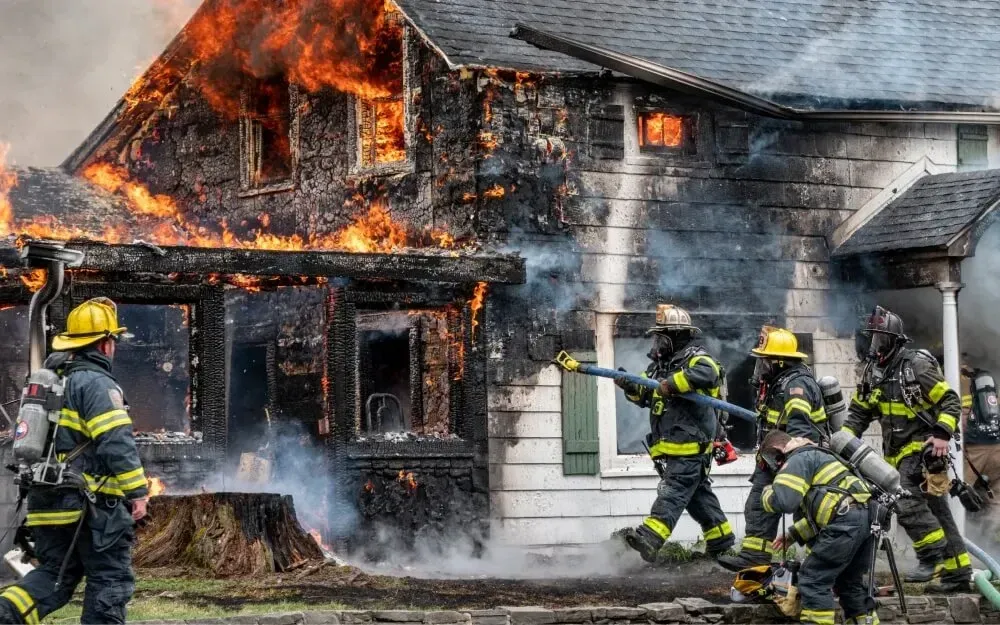
When water hits burning grease, you don't just get a bigger fire. You get an explosion of flames that can engulf your entire kitchen in seconds.
Let me share a real call I responded to: A woman was frying chicken when the oil caught fire. The flames were contained in the pan, maybe a foot high. She grabbed a glass of water and threw it on the fire.
What happened next happened in less than a second.
The water hit the oil and instantly vaporized with explosive force. The burning oil erupted upward and outward in a fireball that reached her ceiling.
Flaming oil droplets sprayed across her kitchen, igniting curtains, cabinets, and even her shirt sleeve.
What was a manageable pan fire became a room-engulfing blaze faster than she could step back.
The consequences are always severe:
Explosive Spread of Flames: The violent reaction causes flames to "jump" from the pan and spread to anything nearby. Cabinets, curtains, paper towels, wooden utensils, all can catch fire almost instantly.
Severe Burns and Injuries: The fireball or splattering oil can cause serious burns. The woman in my story suffered second-degree burns on her arms and face that required hospital treatment.
Property Damage: What might have been a damaged pan and minor cleanup can turn into extensive fire and smoke damage throughout your home. I've seen entire kitchens gutted because of this single mistake.
As the Raleigh Fire Department explains, water and grease fires create "a dangerous situation that can cause serious injury and extensive property damage." That's putting it mildly.
The Right Way: How to Actually Put Out a Grease Fire
Now that you understand why water is never the answer, let's talk about what actually works on grease fires. The key principle is simple: You need to smother the fire, not try to cool it.
Smother the Flames with a Lid or Fire Blanket
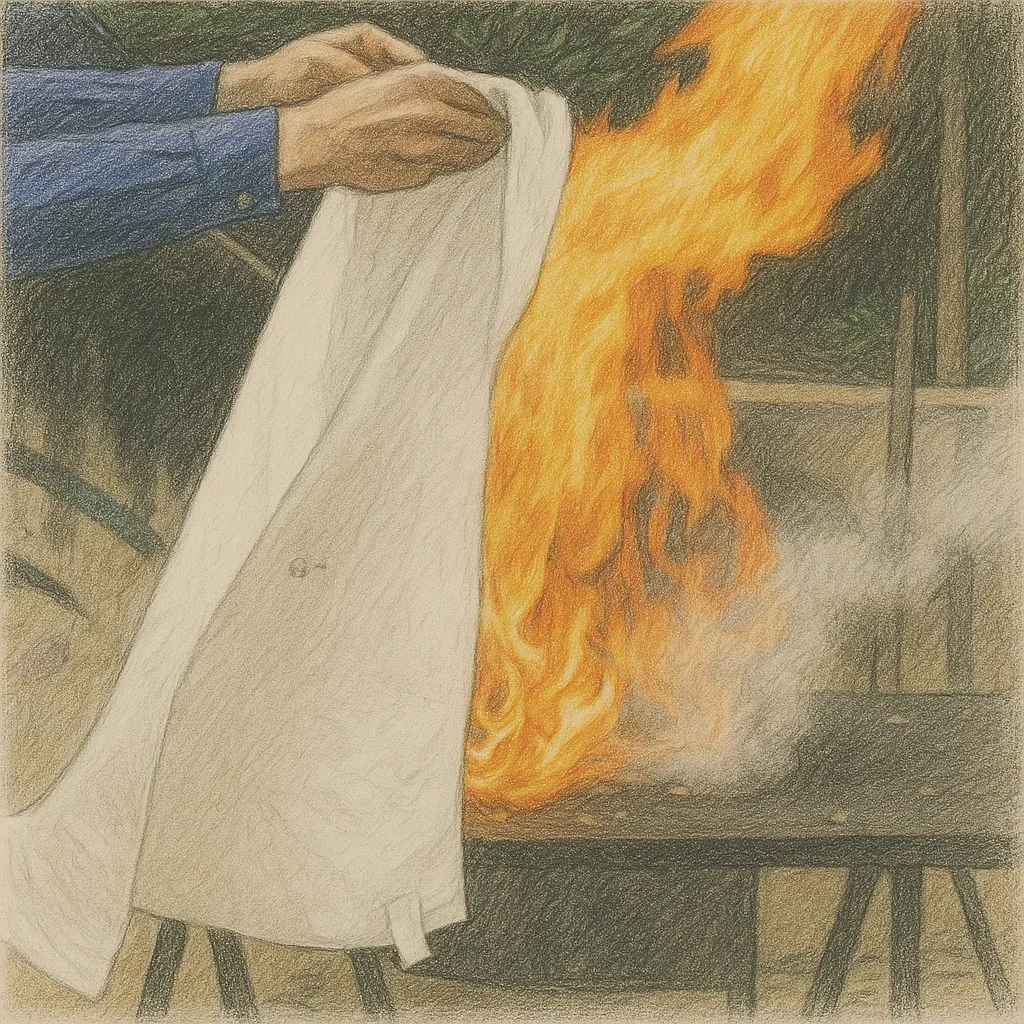
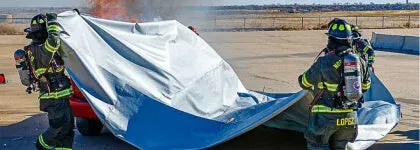
The simplest and often most effective method is to carefully cover the flaming pan with a metal lid or fire blanket. This cuts off the oxygen supply to the fire, which will extinguish the flames.
Here's the technique I teach in home safety workshops:
- Turn off the heat source immediately
- Slide the lid onto the pan from the side rather than dropping it from above
- Once covered, leave the lid on until the pan has completely cooled
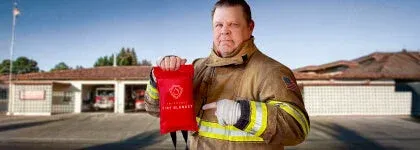
A fire blanket works on the same principle but gives you more protection for your hands and arms during the process. Fire blankets are specially designed to withstand high temperatures and can safely smother flames when properly deployed.
Use Baking Soda or Salt for Small Fires
For a small grease fire contained in a pan, you can use baking soda or salt.
Baking soda works because it releases carbon dioxide when heated, which helps smother the flames. Pour it directly on the base of the flames, and be generous. You'll need more than you think.
Salt is also effective because it helps smother the fire. Again, you'll need a substantial amount poured directly on the flames.
Warning: Never use flour, sugar, or other cooking powders. Unlike baking soda and salt, these can actually ignite and create a dust explosion, making your fire situation much worse.
Quick Reference Card
Print this and post near your kitchen:
- NEVER use water on a grease fire
- TURN OFF heat source if possible
- COVER with metal lid or fire blanket
- USE baking soda or salt for small fires
- SPRAY with Class B extinguisher from 6 feet away
- GET OUT if fire spreads beyond pan
- CALL 911 from outside
Fire Extinguishers for Grease Fires
If you have a fire extinguisher, make sure it's rated for grease fires. Look for Class B or Class K ratings. Most home extinguishers are ABC-rated, which will work on grease fires.
To use an extinguisher properly, remember the word PASS:
- Pull the pin
- Aim at the base of the fire
- Squeeze the lever
- Sweep from side to side
Stand back 6-8 feet from the fire. If you're too close, the pressure can scatter the burning grease, spreading the fire instead of extinguishing it.
When to Call 911 and Evacuate
If the fire is spreading beyond the pan or you don't feel confident handling it:
- Get everyone out immediately
- Close the door behind you if possible (to contain the fire)
- Call 911 from outside
Remember: No property is worth risking your life. Many injuries happen when people try to fight fires they aren't equipped to handle.
Prevention: Stopping Grease Fires Before They Start
The best way to handle a grease fire is to prevent it from happening in the first place. Here are some practical prevention tips from my years responding to kitchen fires:
Stay Attentive: The number one cause of kitchen fires is unattended cooking. Never walk away from a hot stove, especially when frying.
I once responded to a fire that started when a mom left oil heating on the stove while she answered the door. By the time she returned, the oil had ignited and flames were spreading to her cabinets.
Heat Oil Slowly: When you rush heating oil, it's easy to overshoot the safe temperature. Use medium heat instead of high, and watch for warning signs.
If your oil starts smoking, it's telling you it's about to ignite. Turn off the heat immediately.
Keep a Lid Nearby: Always have a matching lid or baking sheet within reach when cooking with oil. If flames appear, you can cover them quickly before they grow.
Create a Kid-Free Zone: Keep children at least 3 feet away from the stove when cooking. One bump from a curious kid can knock a pan of hot oil over, creating an instant fire hazard.
Use Proper Equipment: For deep frying, consider using a temperature-controlled fryer instead of a pot on the stove.
Never fill pots more than 1/3 full of oil, as overfilled pots can easily spill or splatter.
Keep Cooking Areas Clean: Regularly clean your stovetop and range hood to prevent grease buildup. Old grease is a fire waiting to happen.
Have Safety Equipment Ready: Keep a fire extinguisher and fire blanket in an easily accessible location in your kitchen. Not sure which type to get? Our buying guide can help. Make sure everyone knows where they are and how to use them.
Remember These Life-Saving Steps
The golden rule is simple: Never use water on a grease fire. It will create an explosive reaction that can spread burning oil throughout your kitchen in seconds.
Instead:
- Try to cover the fire with a metal lid or fire blanket
- Use baking soda or salt for small, contained fires
- Use a proper fire extinguisher if available
- If the fire is spreading, get out and call 911
Taking a few minutes now to prepare your kitchen with the right tools and knowledge could save your home and prevent serious injuries.
Make sure everyone in your household knows these basics, especially those who do most of the cooking.
Fire safety isn't complicated, but it does require remembering a few crucial dos and don'ts when the moment of crisis arrives.
The most important "don't" is clear: Don't put water on a grease fire. What you should do instead could make all the difference.
Want the complete picture?
Read our comprehensive Fire Blanket Guide