
Every three hours and fourteen minutes, someone in America dies in a home fire. That's not a scare tactic—it's data from the National Fire Protection Association. But here's what that statistic doesn't tell you: most of those deaths were preventable.
The difference between tragedy and close call often comes down to one thing—knowing exactly what to do in those first critical seconds. That's where RACE comes in.
RACE is the fire emergency response acronym taught to firefighters, nurses, factory workers, and increasingly, smart homeowners who understand that panic kills more people than flames do. It stands for Rescue, Alarm, Contain, and Extinguish (or Evacuate). Four steps. Four letters. The difference between chaos and control.
If you're building a comprehensive fire safety plan for your home, this guide pairs perfectly with our complete fire blanket guide, which covers equipment selection and placement strategies.
What Does RACE Stand For in Fire Safety?
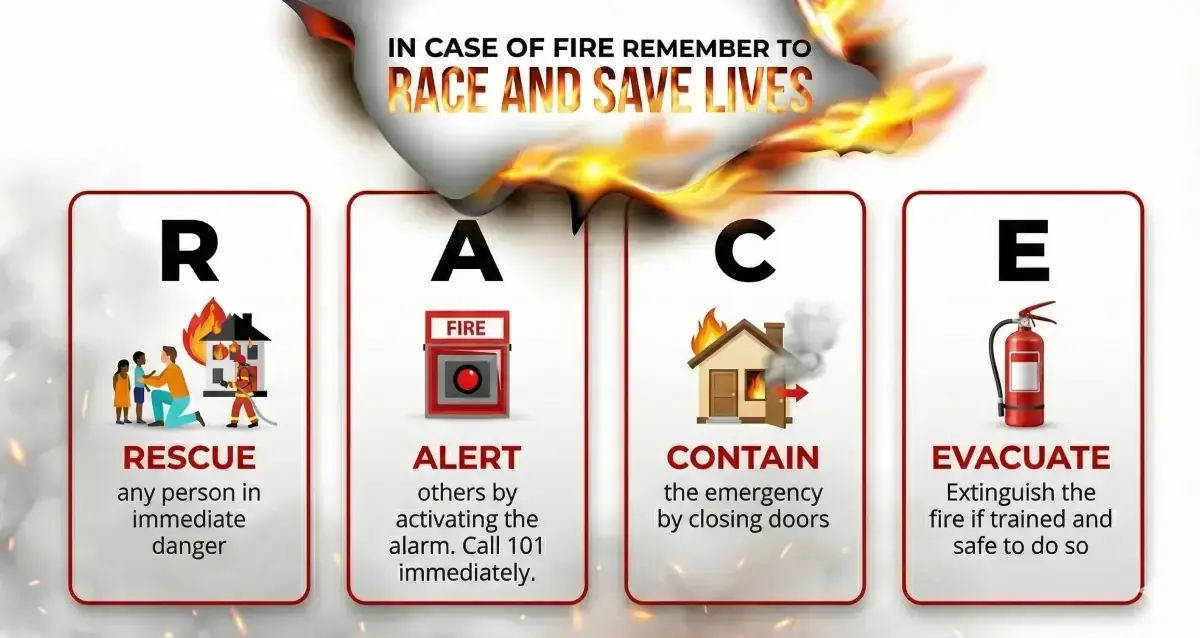
The RACE acronym breaks down fire response into four sequential steps, designed to work in order when every second counts:
- R – Rescue: Remove people from immediate danger
- A – Alarm: Alert others and call for help
- C – Contain: Confine the fire to prevent spread
- E – Extinguish/Evacuate: Put out small fires or get out
This sequence isn't arbitrary. It's been refined through decades of fire science and real-world emergencies. According to OSHA fire safety guidelines, following RACE gives untrained civilians the best chance of responding effectively without freezing or making critical mistakes.
The beauty of RACE is its simplicity. When smoke fills a room and your heart hammers against your ribs, you won't remember a 47-step emergency protocol. But four letters? Those stick.
The 4 Steps of RACE Explained
R – Rescue (Remove People from Danger)
Human life comes first. Always. Before you think about the fire, before you grab equipment, before you do anything else—get people out of immediate danger.
In a home setting, this means:
- Alerting anyone in the immediate area (shouting works)
- Helping children, elderly, or disabled family members move away from the fire
- Getting pets out if it's safe and quick to do so
- Never going back into a burning building for possessions
In healthcare settings, where RACE originated, rescue means moving patients who can't move themselves—those on ventilators, in wheelchairs, or recovering from surgery. The principle translates directly to homes with vulnerable family members.
Here's what rescue is not: heroics. If reaching someone means walking through flames or heavy smoke, you're not rescuing—you're creating a second victim. Know your limits.
A – Alarm (Alert Others and Call for Help)
Once immediate rescue is handled, sound the alarm. This step serves two purposes: alerting everyone else in the building and summoning professional help.
At home, this means:
- Activating your smoke alarm manually if it hasn't triggered
- Shouting "Fire!" loudly and clearly
- Calling 911 (or having someone else call while you handle containment)
- Using your phone's emergency SOS if hands are occupied
Don't assume others have noticed. Smoke detectors fail. People sleep through alarms. A 2024 study found that 40% of fatal home fires occurred in homes with non-functioning smoke alarms. Redundancy saves lives.
The 911 call doesn't have to be long. Address, fire, anyone trapped. That's enough to dispatch help while you move to the next step.
C – Contain (Confine the Fire)
This is where most people go wrong. Their instinct screams "fight the fire" when they should be thinking "starve the fire."
Fire needs three things to survive: heat, fuel, and oxygen (the fire triangle). Containment removes oxygen and limits the fire's access to new fuel. Simple actions that seem counterintuitive in panic mode:
- Close doors – A closed door can hold back flames and smoke for minutes, buying crucial escape time
- Close windows – Oxygen feeds fire; don't give it more
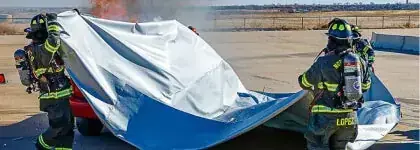
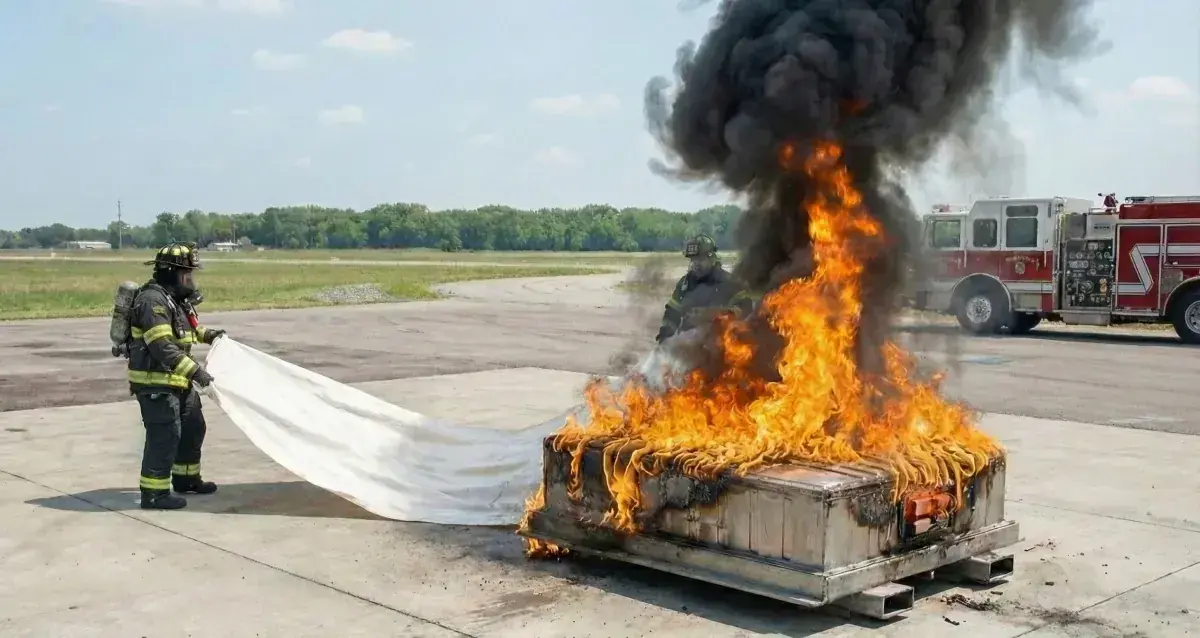
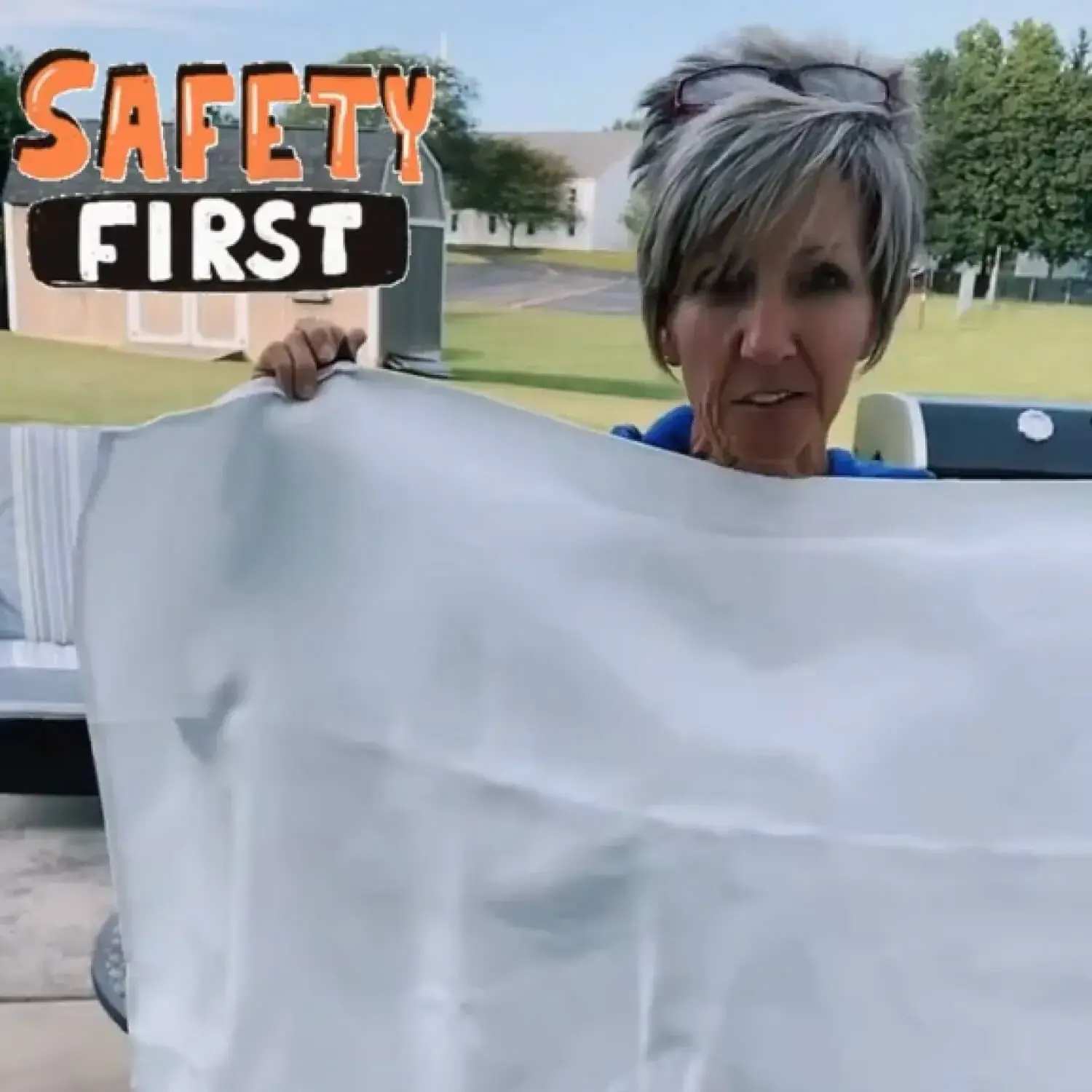
- Use a fire blanket – For stovetop fires, a properly deployed fire blanket smothers flames by cutting oxygen supply
- Turn off heat sources – If the stove started it, turn off the burner
The containment step is where fire blankets shine. Unlike extinguishers that require aim and technique, a blanket simply covers and smothers. For grease fires especially—where water creates explosive disasters—a fire blanket is the safest containment tool available to civilians.
Critical: Containment only applies to small, manageable fires. If flames have spread beyond a single object, skip to Evacuate.
E – Extinguish or Evacuate
The final step offers a choice, and making the right one could save your life.
Extinguish when:
- The fire is small (contained to a single object like a pan or wastebasket)
- You have clear access to an exit behind you
- You have the right equipment (fire blanket or appropriate extinguisher)
- The room isn't filling with smoke
- You feel confident, not panicked
Evacuate when:
- The fire is spreading
- Smoke is thick or visibility is dropping
- You're unsure if you can handle it
- Your gut says "get out"
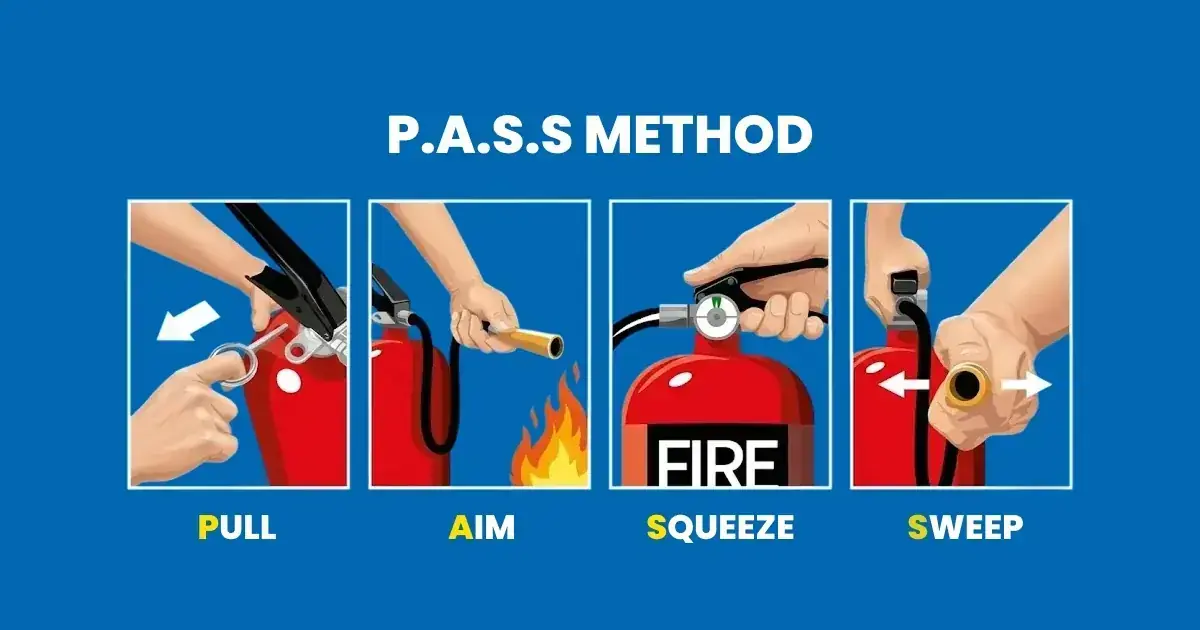
When using an extinguisher, remember the companion acronym PASS: Pull the pin, Aim at the base, Squeeze the handle, Sweep side to side. But honestly? For most kitchen fires, a fire blanket beats an extinguisher—no aiming required, no chemical cleanup, no annual servicing.
If you choose to extinguish with a fire blanket, remember: place it, don't throw it. Seal the edges. And leave it in place for at least 15-20 minutes. Lifting too early reintroduces oxygen and can reignite the fire instantly.
Know when not to use a fire blanket—if flames are taller than you or have spread to walls and cabinets, evacuation is your only safe option.
When to Use the RACE Procedure
RACE applies to virtually any fire scenario, though the specific actions vary by setting:
Home Fires
Most residential fires start in the kitchen. According to the U.S. Fire Administration, cooking causes 44% of all home fires. RACE helps homeowners respond systematically rather than panicking over a grease fire that could have been smothered in seconds.
Workplace Fires
OSHA requires employers to have emergency action plans, and RACE forms the backbone of most fire response training. Office kitchens, break rooms, and manufacturing floors all benefit from employees who know these four steps.
Healthcare Settings
RACE was originally developed for hospitals, where immobile patients and oxygen-rich environments create unique hazards. Healthcare workers drill on RACE regularly because patient rescue requires coordination and speed.
Schools and Universities
Fire drills teach evacuation, but RACE adds the critical steps before evacuation—steps that can prevent a small incident from becoming a tragedy.
RACE vs. PASS: What's the Difference?
People often confuse these two acronyms, but they serve different purposes:
- RACE = Your overall fire response procedure (the big picture)
- PASS = How to operate a fire extinguisher specifically (a tactical skill)
PASS (Pull, Aim, Squeeze, Sweep) only comes into play during the "E" of RACE, and only if you're using an extinguisher. Think of RACE as the strategy and PASS as one possible tactic within that strategy.
If you're using a fire blanket instead of an extinguisher—which many safety experts now recommend for kitchen fires—PASS doesn't apply at all. You simply cover, seal, and wait.
Fire Statistics That Show Why RACE Matters
Numbers don't lie, and fire statistics paint a sobering picture:
- 352,000 home structure fires occur annually in the U.S.
- 2,620 civilian deaths from home fires in a typical year
- 44% of home fires start from cooking
- $9 billion in property damage annually
- 470 cooking fires happen every single day—one every three minutes
Most of these fires start small. A pan left unattended. A dish towel too close to a burner. A forgotten pot boiling dry. RACE gives ordinary people the framework to handle these incidents before they become statistics.
The average fire department response time is 7-8 minutes. A lot can happen in 7 minutes. RACE fills that gap with actions you can take now.
How Fire Blankets Fit Into the RACE Procedure
Fire blankets are purpose-built for the Contain and Extinguish steps of RACE. Here's why they've become essential home safety equipment:
During Contain: A fire blanket placed over a burning pan immediately cuts oxygen supply. Unlike closing a door (which only slows spread), a blanket actively smothers the fire at its source.
During Extinguish: For grease fires, cooking fires, and small electrical fires (after power is cut), fire blankets extinguish without the mess and maintenance of chemical extinguishers. They're also safer for users—no pressure discharge, no aim required, minimal training needed.
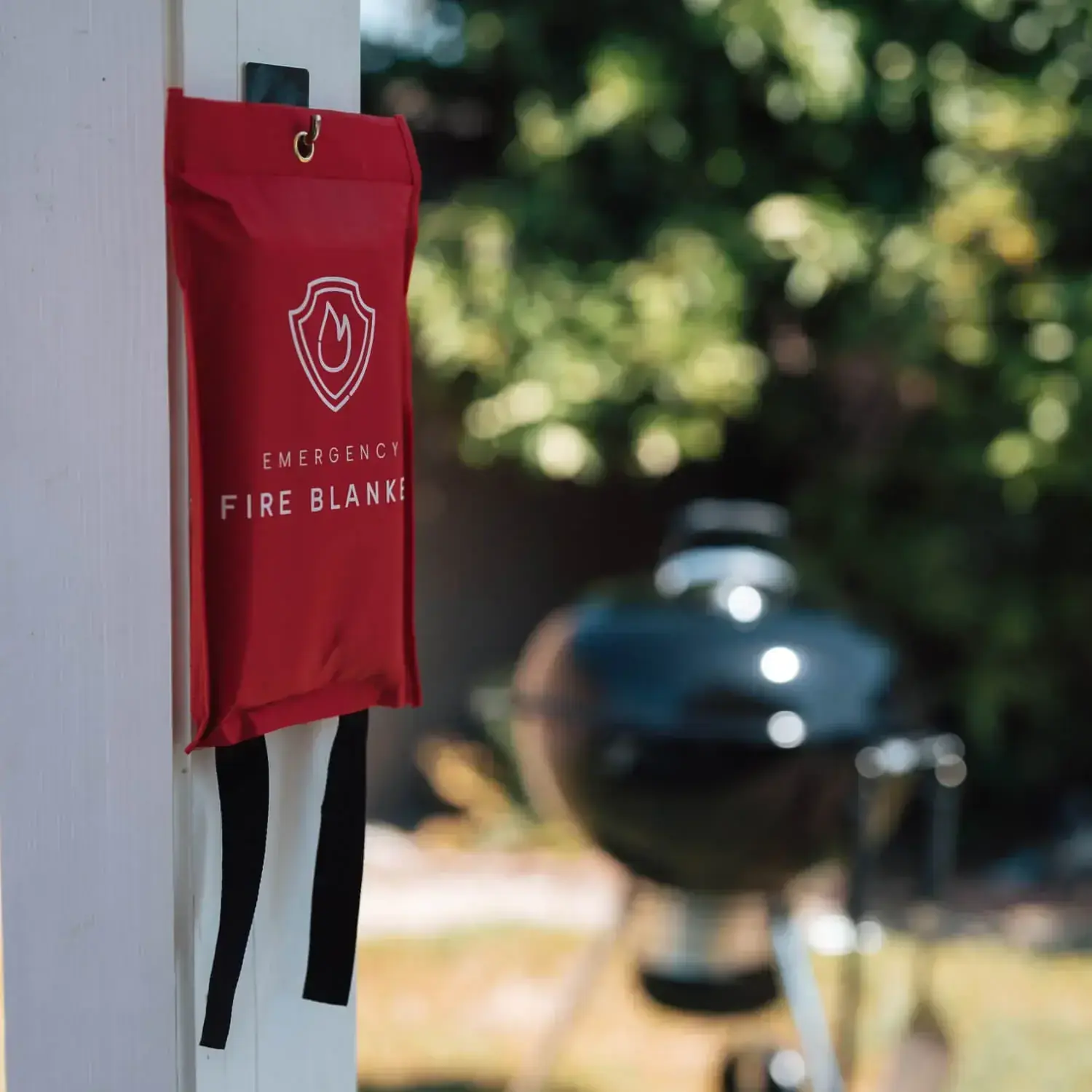
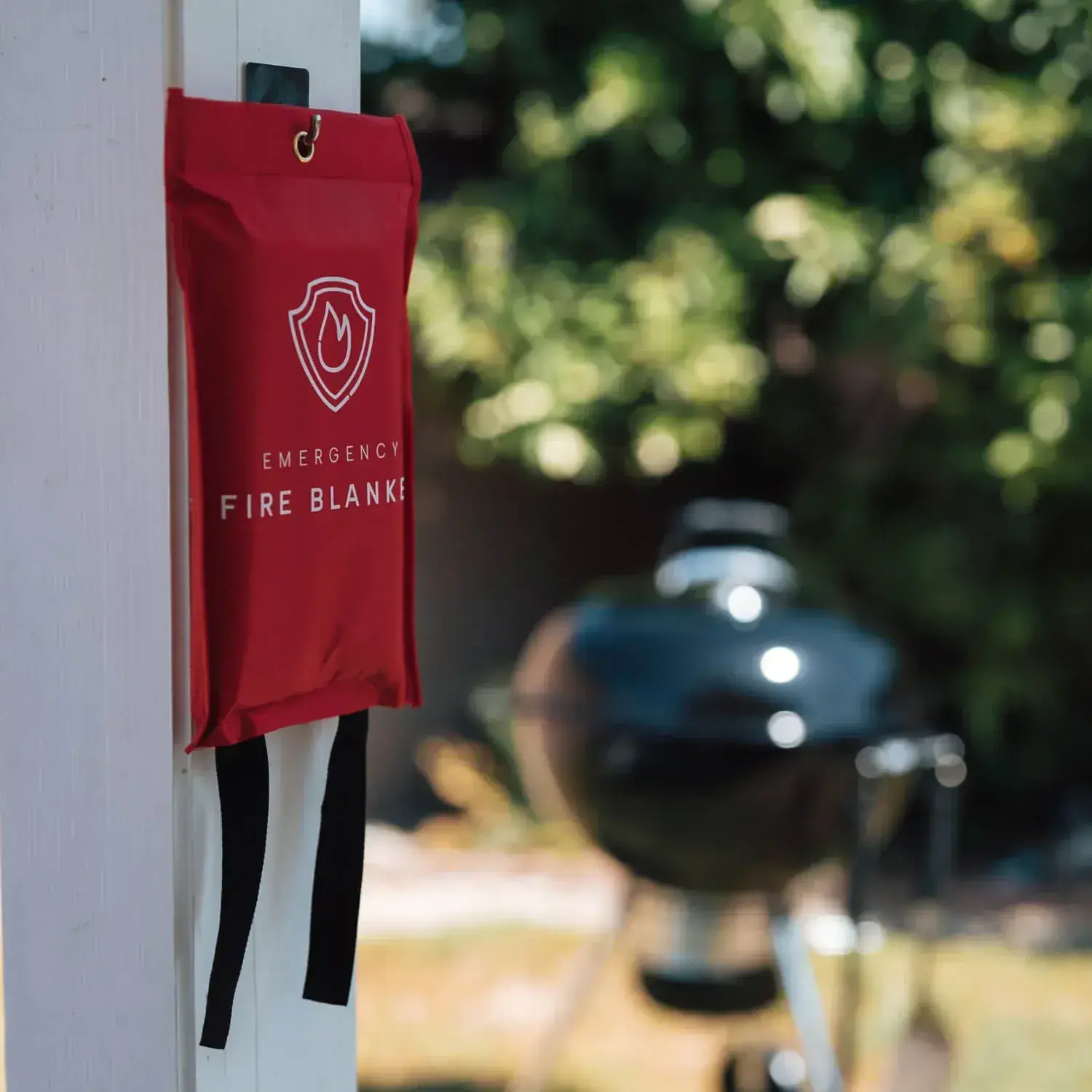
The best part? Fire blankets work on exactly the fires most likely to occur in homes. That stovetop grease fire at 8 PM on a Tuesday? Perfect fire blanket scenario. Keep one mounted between your stove and your exit, and you've got a 60-second solution to the most common household fire emergency.
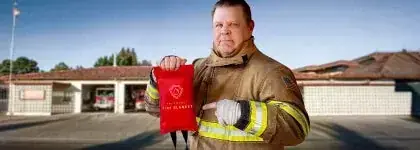
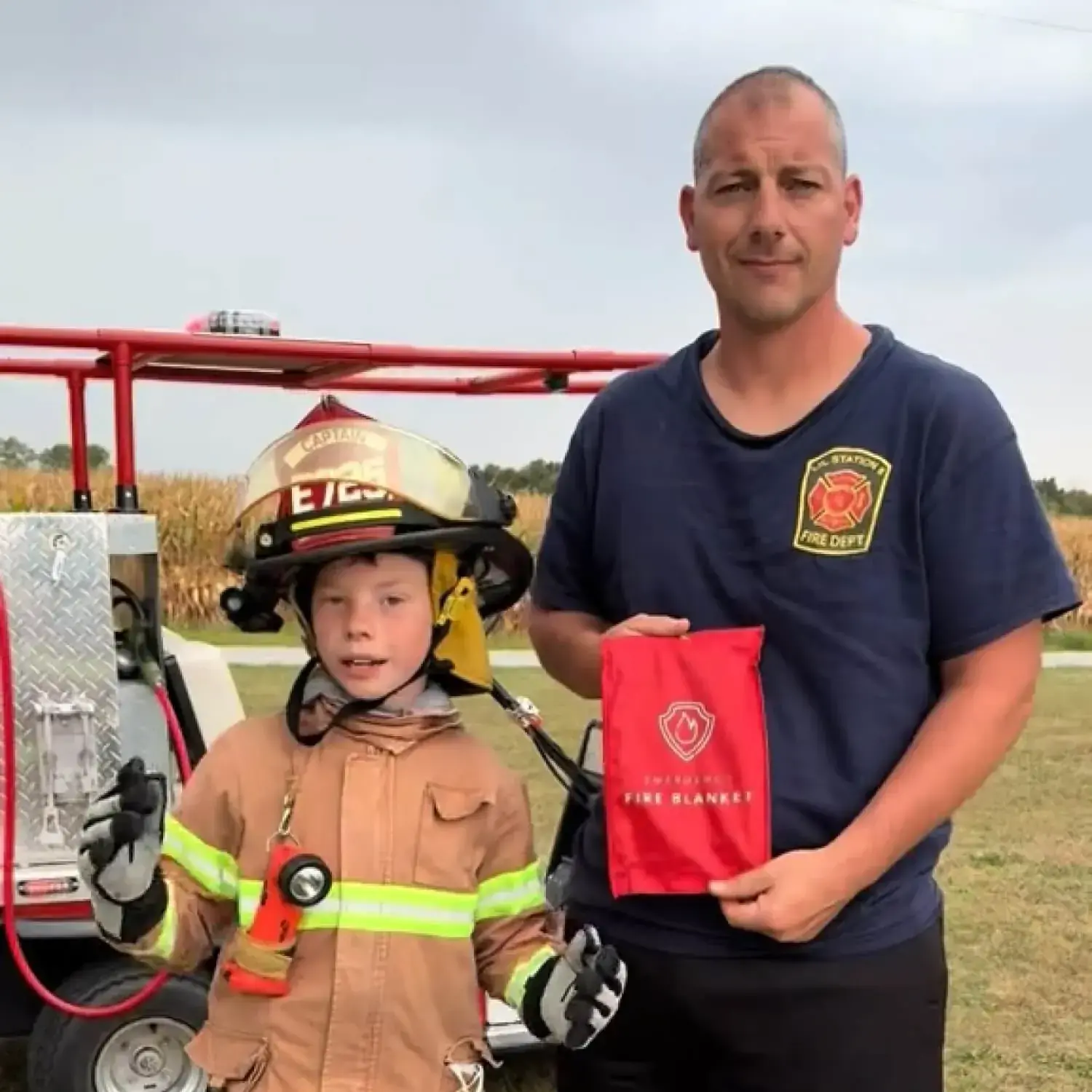
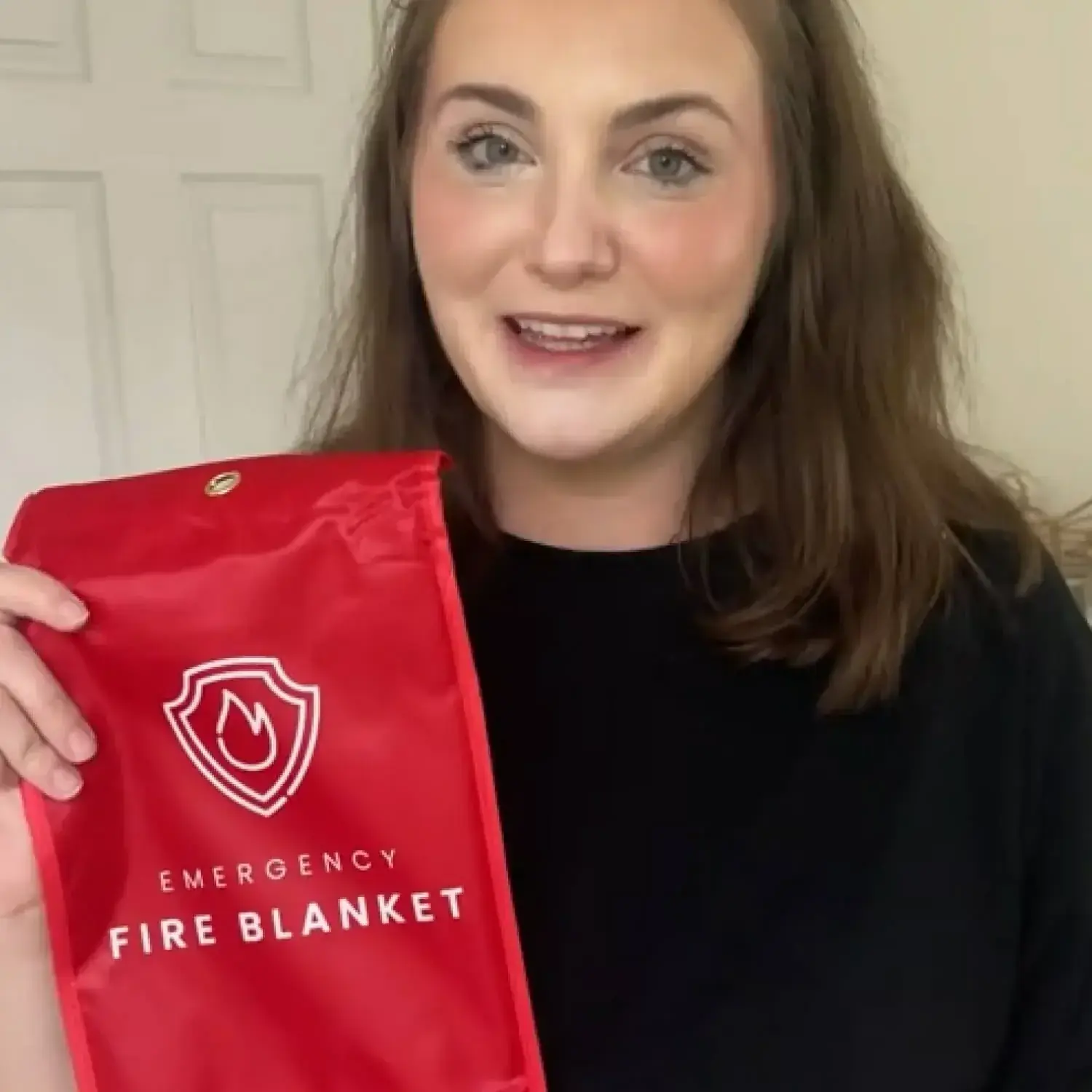
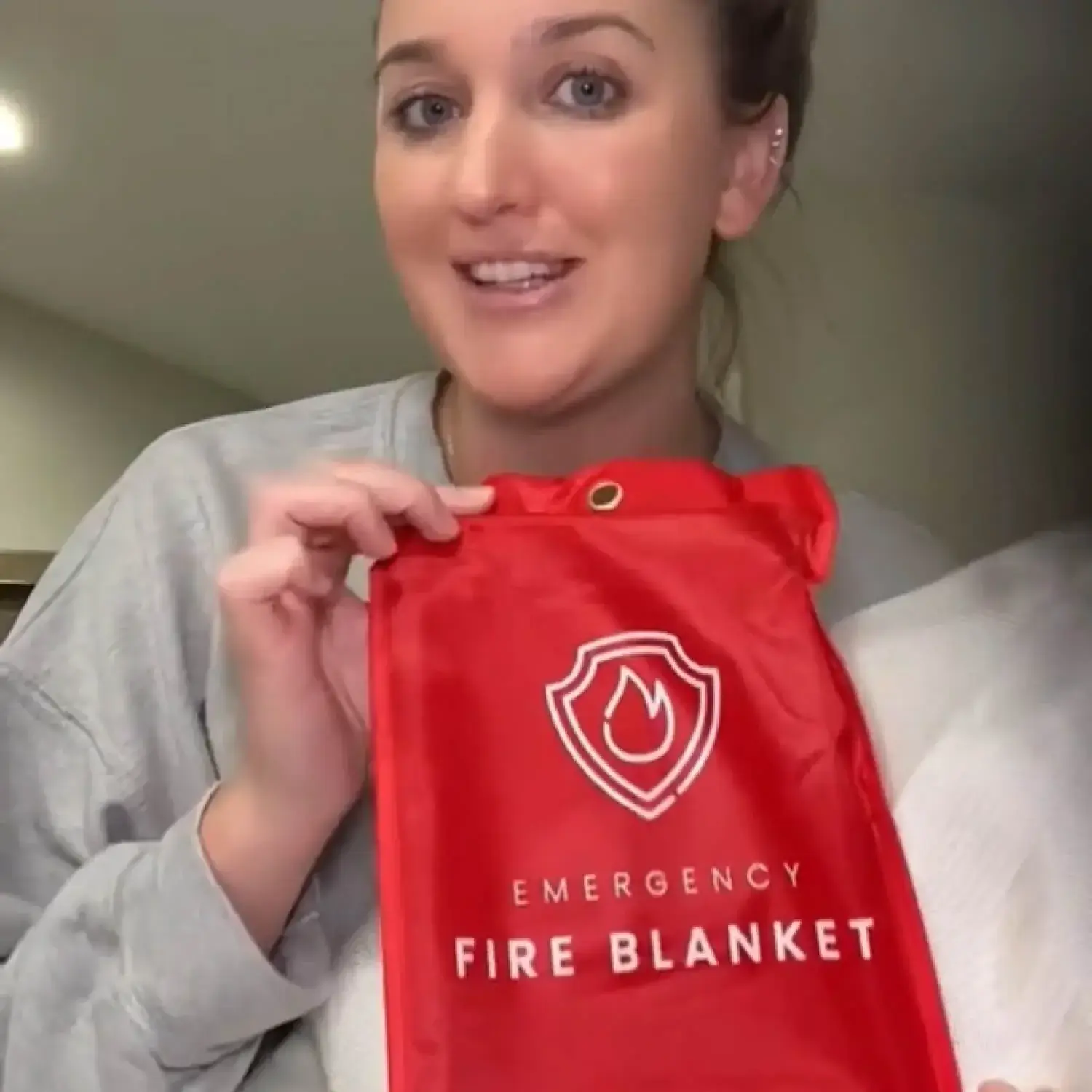
Ready to add this critical tool to your fire safety arsenal? Our Emergency Fire Blanket meets EN 1869:2019 standards and mounts in seconds.
For complete guidance on selection, placement, and maintenance, check out our comprehensive fire blanket guide.
Practice Makes Prepared
Knowing RACE intellectually is good. Having it become automatic reflex is better. Here's how to drill it into your household:
- Talk through scenarios – "If the stove catches fire, what do we do first?"
- Walk the exits – Everyone should know two ways out of every room
- Practice equipment – Let family members pull the fire blanket tabs (use an old towel for training)
- Assign roles – In a two-adult household, one handles Rescue/Contain while the other handles Alarm
- Review quarterly – Memory fades; refresh the drill when you test smoke detectors
The goal isn't to create anxiety—it's to build confidence. When you've practiced RACE, a fire becomes a problem to solve, not a disaster to panic through.
Be Ready Before You Need to Be
RACE isn't complicated. Four letters. Four steps. Rescue, Alarm, Contain, Extinguish. But those four steps, executed in order, have saved countless lives since fire safety professionals developed the protocol.
The fire you'll face someday (and statistics say 48% of homes will experience one) won't announce itself. It won't wait for you to Google "what to do in a fire." It will demand immediate, decisive action.
Now you know what that action looks like. R-A-C-E. Burn it into your memory. Share it with your family. Practice it until it's automatic.
And while you're at it, take steps to prevent kitchen fires in the first place. The best fire response is never needing one.
Stay safe. Stay prepared. Your family's counting on you.
Frequently Asked Questions
What does RACE stand for in fire safety?
What is the difference between RACE and PASS?
Should I fight a fire or evacuate?
When should I use RACE?
How do fire blankets fit into the RACE procedure?
¿Quieres la imagen completa?
Lee nuestra guía completa de mantas ignífugas